
What we have, what we hold,
A cellar full of slops, behold,
Let them pour from both your eyes,
Loves I gave with heavy sighs.
This folk song is an improvised tune sung by Aunt Fadime in a mock-angry tone while joking around with her husband.
Beyond the Spoken Word
The Irony of Material Wealth: Worldly Possessions vs. Animal Feed
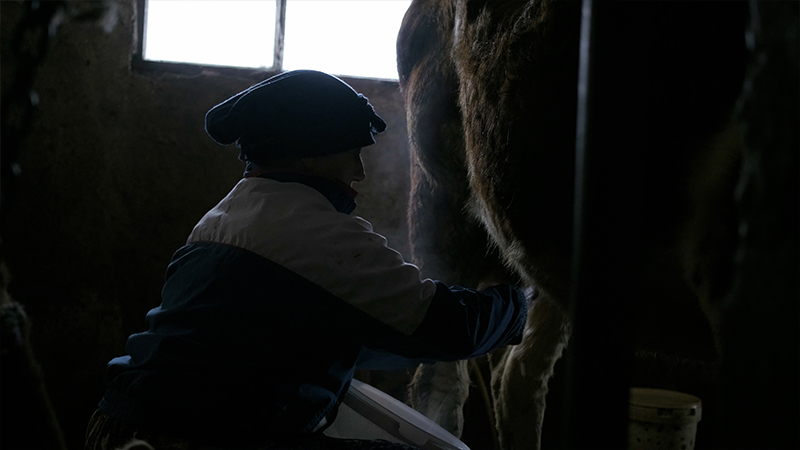
The opening lines are anchored in sharp rustic irony. The invocation of worldly possessions (varlıklar—what we have, what we hold) is immediately juxtaposed with the reality of rural subsistence: a cellar filled not with treasure or surplus grain, but with yallık (animal slops/fodder prepared for cattle). Aunt Fadime encapsulates rural subsistence through a single cellar image. What passes for “wealth” in this mountainous reality is nothing more than the grueling, repetitive livestock labor executed by the woman of the house. Grand notions of prosperity are grounded in the mundane domestic chore of boiling feed.
Sanctioned Defiance: Humorous Banter as Everyday Resistance
Within patriarchal rural life, where overt confrontation or direct complaints against husbands are tightly restricted, the Black Sea tradition of spontaneous sung poetry (atma türkü) opens an elastic, socially sanctioned space for emotional venting. Aunt Fadime’s “mock-angry” banter is a sharp defense mechanism. Under the guise of jest and domestic teasing, the normative hierarchy between husband and wife is temporarily suspended. Humor enables the woman to voice domestic fatigue, confront her partner, and demand recognition for her labor without threatening the household peace.
The Ledger of Romantic Labor: “Loves I Gave with Heavy Sighs”
The closing lines bring youthful romantic idealism (sevdalık) into collision with the daily grind of marriage. The half-serious curse wishing that her devotion “pour from both your eyes” is not rooted in malice; rather, it is a spirited accounting of emotional investment. In regional vernacular, wishing that past sacrifices “come out of one’s eyes” functions as a call for remorse and mindful acknowledgment from the man who takes such lifelong care for granted. Through this improvised tune, Aunt Fadime de-romanticizes rural marriage, reclaiming the invisible labor of both hearth and heart through playful reproach.